In Chapter 3 Why it is a problem: What is the harm?, Dr. Van Dam takes a look at the harm that child molestation can cause. This was actually a tough chapter for me to read. My mother was a victim of incest, and my youngest daughter was a victim of a molestation as well. I saw, first-hand, the short-term and long-term harm caused. This chapter has helped me understand some of what I’ve seen.
In keeping with one of her main themes, Dr. Van Dam stressed clarity. Clarity will help us see the impact that child molestation has on the victims, and the “direct and indirect consequences society incurs by tolerating, ignoring or failing to prevent the sexual victimization of children.” (Van Dam, Carla. Identifying Child Molesters (p. 57). Taylor and Francis. Kindle Edition.)

Child molesters would have us think that sexual victimization is harmless or benign. There are organizations like the North American Man-Boy Association (NAMBLA) and the Rene Guyon Society that provide means for child molesters to normalize their behaviors. Groups like these promote the idea that their urges and desires make them a sexual minority, and thus they should be afforded civil rights. The amount of Internet traffic of child pornography would seem to indicate there are a lot of people who might agree with them.
There are those at the opposite end of the spectrum who think that any sexual incident will permanently scar the victim. Dr. Van Dam provides the example of the child who was the recipient of random frottage. In many cases the incident happened so fast that the child may not have noticed, or, if not followed up by any other threatening behavior, would be quickly forgotten.

Still others believe that the harm from child molestations comes from societal attitudes and cultural norms. “One molester pointed out that the taboo against sex with children is Victorian-age hysteria whipped up by feminists who don’t understand male sexuality.” He states “all the harm is done by the taboo. If nobody is getting hurt there is nothing to worry about.” (Van Dam, Carla. Identifying Child Molesters (p. 58). Taylor and Francis. Kindle Edition.) We needed clarity on what child molestation is, as poor understanding may stifle appropriate responses and interventions. We also need clarity on the harm it causes, to properly manage the events preceding the molest.

Dr. Van Dam used as an example Mary Kay Letourneau. She was a sixth-grade teacher who was convicted of second-degree child rape on one of her students. The police found her and the student in her car. The boy was undressed and under a blanket. The police allowed her to call the boys mother and talk to her. The mother told the police to release her son back to Mrs. Letourneau, which they did. This shows how a perpetrator’s charm and competency can lull adults into not protecting children. The police in this situation needed more clarity on the impact child molestation can have, as we all do.

The psychological issues are difficult to define. Many psychological issues are taken in isolation, so underlying causes related to child molestation have been difficult to make. Dr. Van Dam identified some psychological concerns associated with child molestation: Post-traumatic stress disorder, Increased drug and alcohol abuse, Obsessive-compulsive disorder, Panic attacks and anxiety disorders, Depression, Personality disorders, Increased utilization of health services, Increased utilization of social services, Sexual dysfunctions, Suicidal ideation, Greater risk for relationship and parenting problems. (Van Dam, Carla.
Child molestation deprives children of innocent peer exploration, which research shows may interfere with normal development of adult sexual behavior and relationships. The need for secrecy creates severe stress in the child’s as the secrecy may be enforced with direct threats, or more subtle coercion. This secrecy can interfere with the child developing proper intimacy, as the secrecy prevents the closeness needed in healthy personal relationships. The secrecy isolates the child, and maintaining th4 secret takes up more of the child’s time, interfering with the many daily things children do to grow and develop.
Children who are victims of child molestation behave differently, due to the stresses, secrecy, same and pain. This can lead to acting out, which can cause peers to pull away, further isolating the child. When the child molestation comes to light, people can react in negative ways. Sometimes they blame the child, saying “they asked for it”, or other things that place the responsibility on the child.
Just as there are different types of sexual abuse, there are even more types of damage done. Much of what we know of the damage comes from comparing adults who were molested, with adults who were not. What is clear is that the true extent of child molestation may never be known as it is most certainly under-reported.
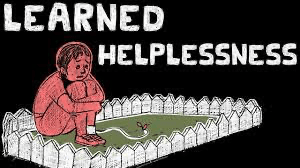
People who have been sexually abused as children are more likely to enter into, and remain in, abusive relationships. Dr. Van Dam explains this by using studies into “learned helplessness” studies. Laboratory animals were subject to random, electric shocks, from which they could not escape. The researchers would then leave the doors to the cage open, but the animals wouldn’t leave, even when they saw healthy animals leaving. Abused humans exhibit similar behaviors. Learned helplessness explains why abuse victims remain in abusive relationships.
Child sexual abuse victims experience depression at higher rates than the general population. Guilt and shame destroys a person’s self-esteem, as does the constant secrecy. Many adults who suffer from clinical depression were victims of child sexual abuse. As Dr. Van Dam writes,
Looking specifically at clinical samples of adults who were
sexually abused, 92 percent reported mood disturbances, such
as depression, guilt, and low self-esteem. In addition, these
adults were more self-destructive and suicidal than their
nonabused counterparts, or than depressed adults who did not
have a history of child sexual abuse (Ratican, 1992). (Van Dam,
Carla. Identifying Child Molesters (p. 63). Taylor and Francis.
Kindle Edition.)

Self-injury and suicidal ideation is frequently linked to child sexual abuse. A student at one of my schools, who was sexually abused by her youth minister, suffered from anorexia, to the point where the was on a feeding tube. My daughter engaged in cutting, and numerous trips to the hospital for suicidal ideation. Self-injurious behavior is linked with histories of childhood sexual abuse.
Victims of child sexual abuse had sexual delusions, were pre-occupied with sex, were depressed, were more likely to engage in substance abuse, and major medical issues. They sought social contact more than their peers, but this contacts were characterized by hyperarousal, disorganized thinking, agitation and delusions. They were more likely to threaten others, and engage in substance and alcohol abuse.
Many victims, especially victims of incest, feel isolated and rejected. They may think it’s their fault, that they brought it on themselves. Victims of incest have higher rates of running away from home, and this, in turn, leads to higher rates of prostitution.
Child sexual abuse leads to issues in child rearing. One study found 24 percent of abusive mothers had been victims of incest. Another study found that a high percentage of child sexual abuse victims had mothers who were sexually abused. One third of those who sexually abuse children were sexually abused as children.
Child sexual abuse, by definition, violates personal boundaries. Concepts such as differentiation and individuation, in Western culture are equated with mental health. Child sexual abuse blurs those boundaries. It can lead to a cycle of abuse.
Aside from psychological damage, child sexual abuse can cause physical damage. Children can contract sexually transmitted diseases, pregnancy and physiological damage like anal fissures. In some cases, internal damage has caused the death of the child.
The moral damage has to be considered as well. We can see the dangers of a person in authority having sex with with a subordinate. The person in authority is in a position of trust. Having sex with a subordinate violates that trust, even when it is between two adults. As Dr. Van Dam writes, “When adults consider sexual interactions with a child, they automatically enter into an exploitative relationship with the child, meeting their personal needs and agendas, rather than attending to the child’s best interests. By definition, at that point, they are no longer able to advocate for the child. (Van Dam, Carla. Identifying Child Molesters (p. 69). Taylor and Francis. Kindle Edition.).

Despite what some child molesters may say or think, a child cannot consent to a sexual relationship. The relationship between any adult, who is more powerful, and a child, who is powerless, ensures the child cannot act independently. A child also lacks the experience and understanding to provide informed consent. Children are concrete thinkers. They are incapable of abstract thinking necessary for informed consent. We don’t allow children to participate in government, own weapons, or vote. Yet child molesters argue children can give consent to sex. Strange.
Child molesters will often point to Ancient Greek practices as justification for their predations. Numerous Greek poems were written where the adult men extolled the virtues of the young boys they preyed upon. Distinctly missing from the histories are the poems of the boys praising the adults who preyed upon them.
For a person to ensnare another, to have them engage in behaviors that are against their wishes, and against their benefit, is akin to slavery. It is inconceivable that anyone could make a rational, moral argument for slavery. We should not accept such arguments for child predation.
NEWS DESK
– Oxford Man Who Filmed Himself Sexually Abusing Two Young Children Sentenced to 25 Years in Federal Prison
– Pittsburgh Resident Sentenced to 90 Months Imprisonment for Attempted Receipt of Material Involving the Sexual Exploitation of a Child
– FBI Seeking Potential Victims in Eric Jacob Layton Investigation
– Alaska Military Servicemember indicted for allegedly molesting teens on flights through Seattle
– Former Yonkers Teacher Charged In Connection With Sexual Exploitation Of Minor Student
– Licking County man sentenced to 25 years in prison for sexually exploiting minor boys he met through church youth group
– Ulster County Sex Offender Sentenced to 10 Years for Child Pornography Possession
– Worcester Man Sentenced to 12 Years in Prison for Child Pornography Offenses
– Sexual abuse of boy on Crow Indian Reservation sends Crow Agency man to prison for 30 months
– New Jersey Man Sentenced To 30 Years In Prison For Production Of Child Pornography
– New York Man Sentenced To 10 Years’ Imprisonment For Traveling To Pennsylvania To Have Sex With A Minor
– Connecticut Sex Offender Indicted In Jacksonville For Committing Multiple Child Sexual Exploitation Offenses
– District Man Sentenced to Seven Years in Prison For Distributing Child Pornography
– Cape Coral Man Sentenced To 14 Years In Prison For Attempting To Entice A Minor To Engage In Sexual Activity
– Federal Jury Convicts Orlando Man Of Attempting To Entice And Meet A 13-Year-Old Child To Engage In Sexual Activity
– Former Portsmouth Police Officer Pleads Guilty to Sexually Assaulting Minor Victim
– North Carolina man charged with abusive sexual contact(with minor) on Delta Airlines flight from Atlanta
– Suspect with 28-page rap sheet who cops say ‘should not have been on the street’ allegedly just tried to abduct 14-year-old girl from mall
– Court docs: Muncie man admits to sex with 12-year-old who tells cops she is pregnant
– New Palestine man to serve 50 years in prison for January 2021 rape of teen
 Meditations of a Bald, Fat Guy