I was unemployed for a week during the last week of January. By choice. I had an opportunity to go back to work for Safe Havens International, the world’s largest non-profit school safety center. I worked for them prior to COVID, and thought it was a good thing to get back into. I get to travel a bit, help schools out, and see the great things that schools are doing for students.
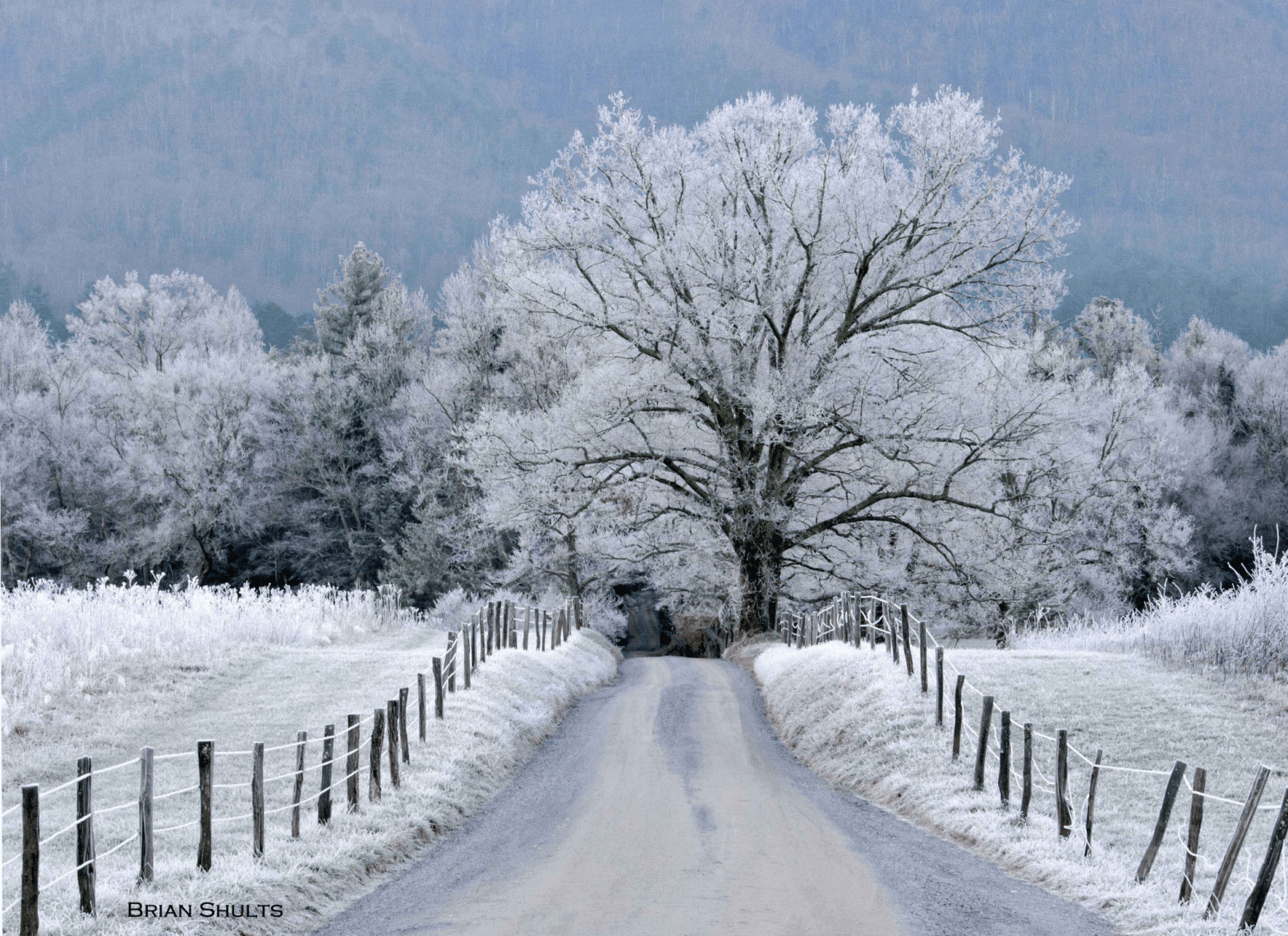
So now I am currently sitting here in the great state of Wisconsin. This past week I’ve been conducting school safety assessments. The weekend of my trip up north they got about 10 inches of snow. I’ve been feeling every inch of that while doing my exterior walk-arounds! It’s one of those rare times the neuropathy I have in my legs is a good thing. I can’t feel the cold from my knees down, and I’m not out there long enough to worry about frostbite.
Yesterday I assessed three schools, two elementary and one high school. Today I assessed three elementary schools. As per usual, the schools I’ve visited are doing wonderful things for their children. I’ve seen teachers working to connect with their students. I’ve seen programs in place that assist students overcome the obstacles our society places in from of them. I’ve seen teachers fiercely challenge a student’s behavior, letting them know it wasn’t acceptable, and that they could be better, and will in fact BE better. That takes conviction, and that takes courage and fortitude. It makes me proud of my past profession, and gives me hope for the future.
Something I tell people about schools is they are, by and large, safe. Forget what you see in the media. Students are less likely to be threatened by a weapon at school than they were 10 years ago. Teachers really do care about their kids, and will do what they can to keep them safe. Part of my job is to not only recommend things the school can do to make their school safer, but to highlight the good things the school is doing. Many of these schools are matching their art students with local artists to create murals for their schools. Imagine the sense of community created by such a project! The students get real-world instruction from a person who is actually making money making art, the artist gets to promote their work to a school community, the school gets some lovely art work to grace their hallways and/or public area. This generates a sense of community that research shows increases the overall safety of the school.
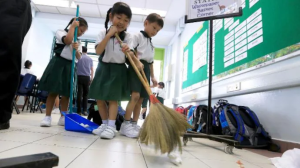
Positive territoriality is a concept that is part of Crime Prevention Through Environmental Design (CPTED) (Pronounced Sep-ted). Mike Dorn, the Executive Director of Safe Havens International, wrote about it HERE. In short, students who are invested in their schools are less likely to conduct violence there. The Japanese know this, which is why their students are required to clean their schools and provide service to their fellow students. Seriously, they don’t have custodians. The kids take care of their classrooms and their school. If you have seen a picture of their schools, they are immaculate!
One of things I hate about the field of school safety is the make-a-fast-buck-after-a-crisis mentality some practitioners have. They create a gimmick, a new procedure and essentially prey upon the emotions of people after a tragedy. Schools respond to pressure from parents to do SOMETHING, and often the easiest thing to do is throw money at it. “Look!” They tell parents. “We’re implementing this new program!”
Here’s a well-kept secret about school safety. The greatest changes schools can make to help prevent violence in their schools are free. It involves a change mindset. Take, for instance, the simple act of signing into a school. This is a means for a school to screen out people who should not be in school, and to make sure that the adults who interact with the students.
A lot of schools use a sign-in book. The way it’s supposed to work is thus: A visitor enters and states why they are there. The school secretary greets them, has them sign in, and then has them show some ID, to verify who they are. Now, can can skip that step if they know the parent, but it’s crucial to verify that the person who has signed in has the right to access the student. These procedures are spelled out and practiced, but over time, people will get lax, and start skipping steps. Enter moi.
When I come into a school, I should sign in. One of the things I do is a sign in under an assumed name. I do so to check to see of the office staff are following their procedures. I’ve signed in as Joseph Biden, Barack Obama, Christian Bale, Matt Damon, Stephen THE Stallion, Winnie the Satterly and Mohammed Ali. After the first day, It was clear that emails and phone calls had been flying about, as office staff began looking for strange names showing up in their sign in books. Such a small thing, and it’s something that schools can do for free.
Another thing that is free? Lock your doors. If all the exterior doors are locked, and you control who comes in, you make your school safer. So, I walk the perimeter of the school. I look for ways to get in. If I get in, then I see what kind of expensive things I might be able to take. I take pictures of unsecured cell phones, laptops, and other things people in schools tend to leave out, in rooms that aren’t locked. Lock your doors.
Of course, these perimeter walks have turned into major physical undertakings with 10-12 inches of snow on the ground. The good thing is, I’m getting in around 8,000 to 13,000 steps in a day. My feet think I’ve gone back to the Infantry. My legs feel like they’re going to fall off, my herniated disc is acting up, and eventually, I’ll start losing more weight. I weighed in at 322 the day I left. That’s a loss of 10 pounds in three weeks time. My goal is to be at 315lbs by the time we leave for Wales. Just a few more schools in the Great White North, and I’ll be there!
 Meditations of a Bald, Fat Guy